Downsizing without The Stress: How Can Self-Storage Make Your Moving Easier?

Self-Access Storage

Moving to a smaller home can bring a refreshing change. Perhaps the children have moved out, retirement is approaching, or you simply want a more manageable living space. Whatever the reason, downsizing often comes with one difficult question: what should you do with everything you own?

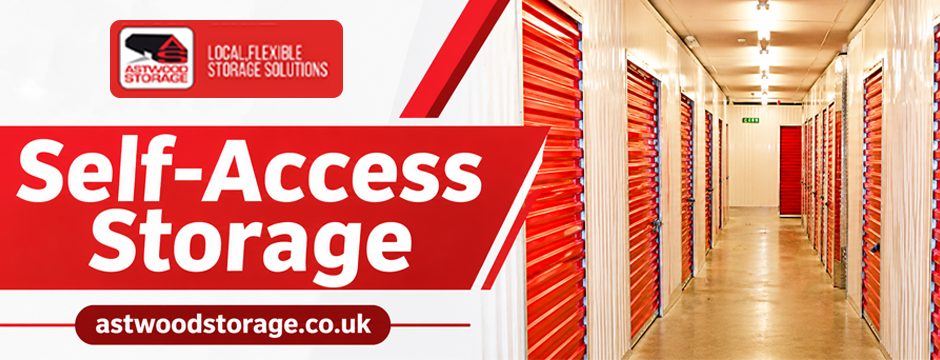
This is where self-access storage becomes a practical moving companion. Instead of forcing every decision before moving day, you can place selected belongings in secure storage while arranging your new space.

Furniture, keepsakes, seasonal belongings, and everyday essentials can quickly make the process overwhelming. Some items hold sentimental value, while others may still be useful but no longer fit your new home. Making rushed decisions can lead to unnecessary spending, clutter, or regret.

Astwood Storage offers a flexible way to manage belongings during life’s transitions, helping make downsizing feel more organised and less stressful.
self-access storage

Why Does Downsizing Feel More Complicated Than Expected?

A smaller home usually means less storage space, but that does not mean you need to discard everything immediately. The challenge is deciding which possessions deserve a place in your new home and which can be stored elsewhere.

A familiar dining table may not fit your new layout. Extra bedroom furniture might be useful when family visits. Boxes of seasonal decorations may only be needed occasionally. These belongings can still serve a purpose, even when they no longer fit your everyday lifestyle.

The emotional side of downsizing also deserves attention. Photographs, inherited furniture, childhood belongings, and personal collections can be difficult to sort through. Giving yourself time to make those decisions can prevent unnecessary stress.

Self-access storage provides breathing room during this process. You can move essential belongings into your new home first and organise the remaining possessions at a comfortable pace.

Self-Access Storage Makes Moving More Manageable, but How?

A successful move depends on good organisation. When every belonging needs an immediate destination, packing and decision-making can become exhausting. Storage creates another option between keeping everything and getting rid of it.

Move at Your Own Pace

Downsizing does not need to happen in a single weekend. You may need time to measure rooms, understand your new storage arrangements, and decide what furniture works best.

Using self-storage allows you to separate the moving process into manageable stages. You can move less frequently used belongings into storage before the main relocation. This leaves fewer items to transport and organise on moving day.

It also gives you time to understand how much space your new home actually offers before making permanent decisions.

Keep Valuable Furniture without Crowding Your New Home

Furniture often creates the biggest challenge during downsizing. Large wardrobes, dining sets, sofas, cabinets, and spare beds may not fit comfortably into a smaller property.

However, selling or donating everything immediately may not be the right decision. You might move again, renovate, or discover that a particular piece would work in another room.

Choosing suitable furniture storage in Redditch can help keep these belongings together while you settle into your new surroundings. Before storing furniture, clean it thoroughly, allow it to dry, and protect vulnerable surfaces with appropriate covers.

Disassemble larger items where practical and keep screws or fittings in labelled bags. These simple steps make future retrieval and reassembly easier.

Create A Clutter-Free Moving Environment

Packing becomes difficult when rooms contain furniture, boxes, and belongings that are not needed immediately. Clearing some of these items can make it easier to clean, organise, and ultimately, prepare your property.

You can use rental unit storage options to separate belongings according to their purpose. For example, keep essential household items at home while placing seasonal decorations, spare furniture, and archived documents elsewhere.

This approach can also make your new home feel more spacious from the beginning. Instead of filling every available corner, you can arrange rooms around your actual daily needs.
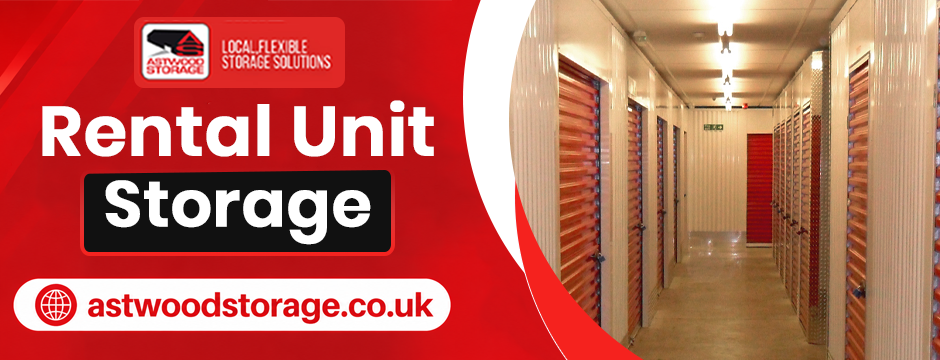
rental unit storage

What Should You Store When Downsizing?

Not every possession needs to follow you into your new home. A useful starting point is to divide belongings into four categories: keep, store, donate, and sell.

  • Keep: Everyday essentials, frequently used appliances, important documents, and furniture that fits your new home.
  • Store: Seasonal belongings, spare furniture, family keepsakes, hobby equipment, and items you may need later.
  • Donate: Usable clothing, household goods, and furniture that could benefit someone else.
  • Sell: Valuable items that no longer serve a purpose in your household.

Storage is particularly useful for belongings that fall between the keep and sell categories. You may not need them today, but you are not ready to part with them permanently.

When selecting self-access storage, consider the size and quantity of your belongings. Create an inventory before packing, and group similar items together. Label every box clearly so you can locate specific possessions without unpacking everything.

Choosing The Right Storage Unit for Your Belongings

A unit that is too small may make belongings difficult to access. An unnecessarily large unit could mean paying for space you rarely use. Before choosing a facility, consider these practical factors:

  • Security: Check the facility’s security arrangements and access controls.
  • Accessibility: Understand access hours and any arrangements for collecting belongings.
  • Cleanliness: Look for clean, well-maintained storage spaces.
  • Unit size: Choose space from 25ft to 300 ft that accommodates your belongings without unnecessary excess.
  • Flexibility: Review rental terms and arrangements for changing your storage requirements. With us, you can have a term from two months to ten years.
  • Convenience: Consider the location and ease of transporting belongings.

Astwood Storage can be part of a practical downsizing plan when you need additional space during a move. Discuss your requirements with the provider to understand the available unit options and arrangements.

Pack Belongings for Safe Storage

Good packing protects your possessions and makes future retrieval easier. A little preparation can prevent damage, confusion, and unnecessary unpacking.

Prepare Furniture & Appliances

Use suitable protective covers to reduce exposure to dust and surface damage. Keep upholstered items protected without wrapping them in a way that traps moisture.

Appliances should be emptied, cleaned, and dried according to their manufacturer’s guidance. Secure loose parts and keep accessories together in labelled containers.

Use Strong Boxes And Clear Labels

Choose sturdy boxes that can support their contents. Avoid making boxes too heavy to lift safely. Place heavier belongings at the bottom and lighter items above them.

Label each box with its contents and intended room. You can also maintain a simple inventory on your phone or in a notebook. This makes finding particular belongings much easier.

Plan Access before Loading

Place frequently required items where they remain accessible. Avoid blocking the entrance with large furniture or stacking boxes in unstable arrangements.

If you are using self-access storage during a staged move, leave enough space to retrieve belongings without rearranging the entire unit.

Final Thoughts

Downsizing can help reduce household expenses, but moving and storage costs still require careful planning. The objective is to pay for the space you genuinely need and avoid unnecessary services.

Compare unit sizes and rental arrangements before making a decision. Consider how long you expect to store your belongings and whether you may need additional space temporarily.

Storage can also support more sustainable moving decisions. Instead of discarding usable furniture because it does not fit immediately, you can retain it for future use. Items you eventually decide not to keep can be sold or donated when you have time to make thoughtful choices.

This approach can reduce unnecessary waste while helping you avoid rushed purchases. It also gives valuable possessions another opportunity to serve a purpose.
Small Storage Units for Businesses: A Smarter Way to Manage Space, Stock And Growth

Small Storage Units

Running a business often means finding room for things that do not fit neatly into everyday operations. Stock levels increase, equipment accumulates, paperwork needs storing, and seasonal materials occupy valuable workspace. Eventually, even an organised business can struggle with limited space.

Moving to larger premises might seem like the obvious solution. However, higher rent, additional overheads, and relocation expenses can make expansion difficult. A more practical alternative is small storage unit rental, which gives businesses extra room without requiring a larger commercial property.

For start-ups, independent retailers, tradespeople, and established companies, flexible storage can make daily operations easier. Astwood Storage offers short-term and long-term storage solutions for business and domestic requirements. Businesses can use additional storage space to manage changing needs without immediately committing to larger premises.

small storage unit rental

Why Businesses Need Additional Storage Space?

Space plays an important role in business efficiency. When stock, equipment, documents, and packaging materials occupy working areas, employees have less room for essential activities. Clutter can also make it harder to locate items and maintain an organised environment.

Business storage provides a separate place for items that need to remain accessible but do not require constant attention. It can support several operational requirements.

  • Stock Management: Store additional inventory without overcrowding retail or office premises.
  • Equipment Storage: Keep tools, machinery, and specialist equipment organised between projects.
  • Document Archiving: Move older files and business records away from active workspaces.
  • Packaging Supplies: Store boxes, labels, and promotional materials until required.
  • Seasonal Inventory: Keep seasonal products and marketing materials available outside peak periods.
  • Office Furniture: Store spare desks, chairs, and fixtures during reorganisations.

Therefore, choosing a storage unit rental can help businesses separate everyday operations from longer-term storage requirements. This makes existing premises easier to manage while keeping important resources available when needed.

Control Business Costs without Expanding Your Premises

Commercial property expenses can place pressure on a growing business. Moving into a larger office, warehouse, or retail unit involves more than paying additional rent. Businesses may also face higher utility bills, maintenance costs, business rates, and relocation expenses.

A smaller storage unit offers another way to create additional capacity. Instead of paying for a larger workspace, businesses can keep less frequently used items elsewhere.

This approach can be particularly useful for start-ups and small businesses managing limited budgets. They can maintain their current premises while accommodating extra stock, equipment, and archived materials.

The financial advantage depends on storage fees, access requirements, and the amount of space needed. However, comparing storage costs with commercial expansion expenses can reveal a practical alternative.

Keep Your Workplace Organised And Productive

A cluttered workplace can affect more than appearance. Employees may spend unnecessary time searching for equipment, moving stock, or working around unused furniture. These interruptions can gradually affect productivity.

External storage helps create a clearer distinction between active and inactive business items. Products needed daily can remain on-site, while surplus inventory and occasional-use equipment can move into storage.

For example, a retailer might keep popular products within its shop or warehouse. Additional stock can remain stored until replenishment becomes necessary. Similarly, a tradesperson can organise tools and materials according to upcoming projects.

With a small storage unit rental, businesses can create more usable workspace without disposing of items they may need later. A well-organised environment can also make stock checks, cleaning, and routine operations easier.

Manage Seasonal Stock And Changing Demand

Many businesses experience fluctuations throughout the year. Retailers prepare for busy shopping periods, event companies manage equipment around scheduled occasions, and tradespeople handle changing project requirements.

These fluctuations create temporary storage challenges. Keeping every item on-site throughout the year can consume valuable space, even when demand is low.

Flexible storage can help businesses manage these changes. Seasonal products, promotional displays, packaging, and event materials can remain stored until their next use.

Short-term arrangements may suit temporary requirements, while long-term storage can support businesses holding equipment or records for extended periods.

For Redditch businesses, this flexibility can be useful when managing seasonal inventory or maintaining limited commercial workspace. Companies can consider their storage requirements without automatically committing to larger premises.

Find Storage That Matches Your Business Requirements

Not every business needs the same amount of storage space. A small retailer may need room for surplus inventory, while a consultancy may primarily require document storage. Tradespeople might prioritise equipment and tools.

Choosing suitable rental storage units requires an understanding of what needs storing and how frequently those items will be accessed.

Consider the following factors before selecting a unit:

  • Unit Size: Estimate the space required, including room for organised access.
  • Storage Duration: Decide whether the requirement is temporary or ongoing.
  • Accessibility: Check the provider’s access arrangements and any restrictions.
  • Security: Understand the facility’s security measures and insurance requirements.
  • Storage Conditions: Consider whether your belongings need particular environmental conditions.
  • Pricing: Review rental charges and any additional costs before committing.

Avoid choosing a unit based only on its advertised size or price. The right option should suit the items, storage period, and practical requirements of your business.

A Practical Storage Solution for Kidderminster Businesses

Local businesses often need additional space without moving away from their established premises. Retailers, service providers, tradespeople, and independent companies may all encounter storage challenges as their operations change.

Businesses considering storage in Kidderminster can evaluate external storage as an alternative to expanding their commercial footprint. It may help accommodate excess inventory, archived documents, spare furniture, and equipment between projects.

storage in Kidderminster

The same consideration applies to companies operating across nearby areas. Businesses should compare location, accessibility, rental terms, and unit suitability before making a decision.

Astwood Storage provides short-term and long-term storage solutions for businesses with changing space requirements. Whether a company needs temporary room during a move or additional capacity for ongoing operations, choosing an appropriate arrangement can help maintain a more organised workplace.

Final Thoughts

A growing business does not always need a bigger office, shop, or warehouse. Sometimes, it simply needs a better way to manage the items occupying valuable space.

From surplus stock and seasonal products to archived documents and spare equipment, external storage can support everyday business operations. It can also help control property expenses, simplify relocations, and accommodate changing requirements.

Small storage unit rental gives businesses another way to manage space without making immediate commitments to larger premises. The key is choosing a suitable unit, understanding the rental terms, and matching the arrangement to actual business needs.

With our flexible short-term and long-term solutions, Astwood Storage supports businesses looking for practical ways to manage their belongings. A more organised workspace can create room for better productivity, smoother operations, and future growth.